
New
WWS-36

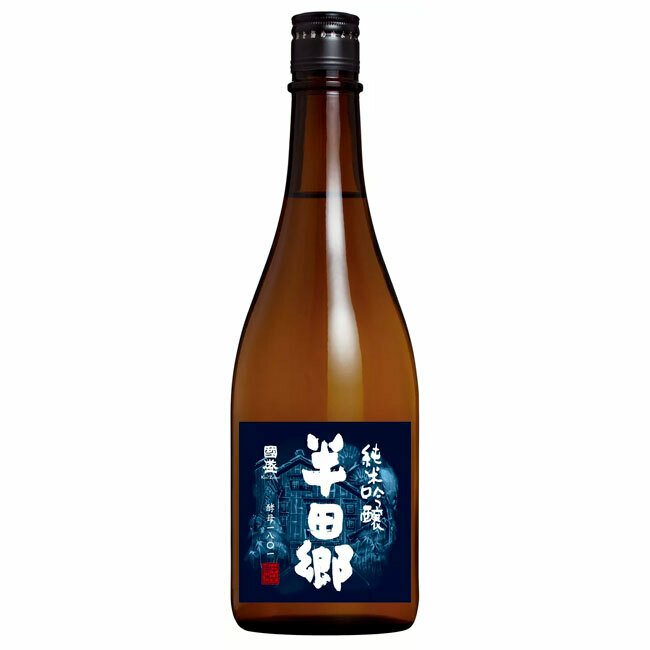
JUNMAI GINGO HANDANGO 1801 720ML

Japanese sake

Junmai Ginjo Handago 1801 Sake is a delicate and refreshing sake!

Its aroma immediately reveals notes of fresh almond and anise, followed by hints of fennel and star anise. A subtle sweetness evokes rice pudding, complemented by fruity notes of green apple. With aeration, the licorice aromas become more pronounced, accompanied by menthol nuances and eucalyptus blossom. Tangy notes of kaffir lime leaf and lemon blossom, with an imperceptible hint of white chocolate, complete this refined bouquet.

On the palate, it is round, with notes of licorice and fennel from the first sip, followed by a light sweetness. The aromatics are discreet, and the mid-palate becomes drier with a touch of umami. The finish is marked by a slight astringency. Ideally enjoyed chilled, Handago 1801 pairs perfectly with light dishes, offering a delicate freshness to complement its pronounced aromas.

  • Aromas:
    Fresh almond, anise, fennel, star anise, lemon blossom, rice pudding, green apple, licorice.
  • Pairings:
    Herb omelet, Baeri-style caviar, smoked salmon with crème fraîche, chives, and finger lime, melon and watermelon salad for dessert.
  • Serving suggestion:
    Serve chilled in a wine glass.
  • Storage:
    Unopened: One to two years in a cellar. Opened: One to two weeks in the refrigerator.
  • Alcohol content: 15.5% ABV
  • Serving temperature: Chilled (12°C)
Ref. WWS-36
New

JUNMAI GINGO HANDANGO 1801 720ML

Japanese sake

classé dans : Japanese alcohols

Junmai Ginjo Handago 1801 Sake is a delicate and refreshing sake!

Its aroma immediately reveals notes of fresh almond and anise, followed by hints of fennel and star anise. A subtle sweetness evokes rice pudding, complemented by fruity notes of green apple. With aeration, the licorice aromas become more pronounced, accompanied by menthol nuances and eucalyptus blossom. Tangy notes of kaffir lime leaf and lemon blossom, with an imperceptible hint of white chocolate, complete this refined bouquet.

On the palate, it is round, with notes of licorice and fennel from the first sip, followed by a light sweetness. The aromatics are discreet, and the mid-palate becomes drier with a touch of umami. The finish is marked by a slight astringency. Ideally enjoyed chilled, Handago 1801 pairs perfectly with light dishes, offering a delicate freshness to complement its pronounced aromas.

  • Aromas:
    Fresh almond, anise, fennel, star anise, lemon blossom, rice pudding, green apple, licorice.
  • Pairings:
    Herb omelet, Baeri-style caviar, smoked salmon with crème fraîche, chives, and finger lime, melon and watermelon salad for dessert.
  • Serving suggestion:
    Serve chilled in a wine glass.
  • Storage:
    Unopened: One to two years in a cellar. Opened: One to two weeks in the refrigerator.
  • Alcohol content: 15.5% ABV
  • Serving temperature: Chilled (12°C)

Qty - +
18,90 €

  • 4 free samples with your order

  • 10% discount. Sign up for our newsletter

  • LOYALTY PROGRAM. Earn points with your orders and win prizes. €1 = 10 points


Conseil de préparation

YOU MAY ALSO BE INTERESTED ...

Crystalline nose, typical of Ginjo-type sakes. Discreet melon aromas on a refreshing finish.

JUNMAI GINJO SAKE
300ml and 720ml
View product
SAKÉ  KOÏKOÏ JUNMAI GINJO SAKÉ KOÏKOÏ JUNMAI GINJO SAKÉ KOÏKOÏ JUNMAI GINJO SAKÉ KOÏKOÏ JUNMAI GINJO Japanese sake from 21,90 €
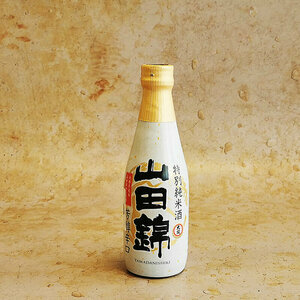
This sake with a milky white robe provides unique sensations.

SAKÉ NIGORI JUNMAI
300ml
View product
OZEKI YAMADANISHIKI SAKE 300ML OZEKI YAMADANISHIKI SAKE 300ML OZEKI YAMADANISHIKI SAKE 300ML OZEKI YAMADANISHIKI SAKE 300ML Japanese sake 13,90 €
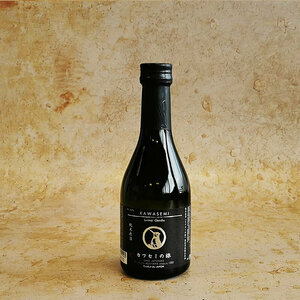
Brewed only with rice, filtered water, and koji mold, junmai sake generally has a full, slightly sour flavor.

SAKÉ JUNMAI GENSHU
300ml or 720ml
View product
KAWASEMI JUNMAI GENSHU SAKE KAWASEMI JUNMAI GENSHU SAKE KAWASEMI JUNMAI GENSHU SAKE KAWASEMI JUNMAI GENSHU SAKE Japanese sake from 25,80 €
Sake set SEIRYU.
View product
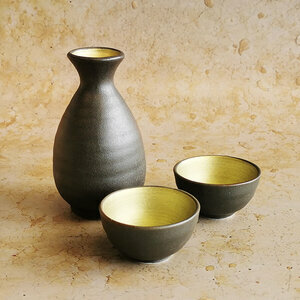
-5% SAKE SET SEIRYU SAKE SET SEIRYU SAKE SET SEIRYU SAKE SET SEIRYU Sake set
47,31 € 49,80 €
Sake set GINKURO.
View product
-5% SAKE SET GINKURO SAKE SET GINKURO SAKE SET GINKURO SAKE SET GINKURO Sake set
40,66 € 42,80 €
Sake set BIZEN.
View product
-5% SAKE SET BIZEN SAKE SET BIZEN SAKE SET BIZEN SAKE SET BIZEN Sake set
47,12 € 49,60 €
LEARN MORE ABOUT
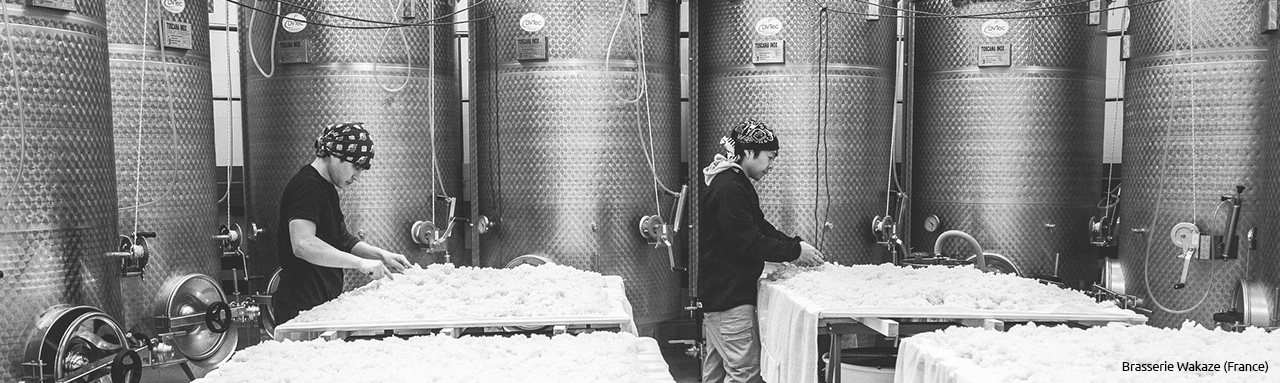
Brasserie Wakaze (France)

The origin of sake can be traced back to a fermented rice-based drink brought from Japan to China in the third century BC. Since then it has evolved into a unique and sophisticated alcoholic beverage of significant cultural significance to Japanese people.

Although sake is brewed only from rice, it offers a wide variety of tastes like wine. There are believed to be over 2,700 breweries across Japan and each brewery uses different rice, koji mold (yeast), and water (spring water or filtered water) to brew sake in a different way. unique brewing process for each of them. There are also differences in each sake-making region in Japan, adding more complexity to the sake world. To better appreciate it, you should know that it is divided into four main categories: DAIGINJO, GINJO, JUNMAI and HONJOZO.


DAIGINJO
Considered the excellence of Japanese sake, daiginjo has a subtle and fruity taste that is very light and fragrant. It is brewed with rice in which each grain has been polished to 50-65% and the various brewing processes are carried out with great care and attention. Serve chilled or at room temperature.
GINJO
Ginjo is a sake brewed with rice, the grains of which have been polished to 40-50%. Like daiginjo, the flavor of ginjo is light, fragrant, and even complex. Serve chilled or at room temperature.
JUNMAI
Brewed only with rice, filtered water, and koji mold, junmai sake generally has a full, slightly sour flavor. It goes well with a wide variety of foods. Serve hot or at room temperature.
HONJOZO
Honjozo is brewed with rice, filtered water, koji mold and yeast. The grain of rice is polished to more than 30%. A small amount of alcohol is added to the final fermentation process. Dry and sweet, usually lighter and more fragrant than Junmai sake. Serve warm or at room temperature.


Sake isn't just meant to be drunk; it is meant to be savored. It is served in restaurants, bars and lounges in square wooden containers called masu or in small glasses. Drinking sake in wine glasses is a good idea to appreciate all of its color, aroma and flavor. Sake is often served with meals. Depending on its color, bouquet and aroma, it emphasizes the flavor of fish and meat. Sake can be served with hot dishes and with snacks such as rice cakes or gingko seeds.

Sake scale
The categories Daiginjo, Ginjo, Junmai, Honjozo represent top quality sakes. The rest are classified as "normal sake" (Futsu Shu), but there is also a lot of good sake found in futsu shu. In addition, there are other varieties such as Nigori, Nama, and Ume Shu. Nigori sake is unfiltered, subtly sweet and has a white, wadded texture. Nama is raw, unpasteurized sake and has a fresh, light flavor. Ume shu is a sweet plum wine served as an aperitif or wine accompanying desserts. In the sake business, its taste, dry or sweet, is determined by the sake measurement value (Nihonshu Do).

Sake measurement value
Like wines, a sake can be defined in basic characteristics either dry or sweet. In Japan, the Nihonshudo, or sake measurement value, is often used to determine whether a sake is dry, sweet, or in between, by measuring the residual amount of sugar and alcohol it contains. In this measurement, water has a value of 0, and a sake with a measurement value of 0 should taste neutral, neither dry nor sweet. As shown in the figure below, a positive value means less residual sugar and therefore drier sake. Likewise, a negative value indicates sweeter sake.

The best sake tasting temperature
There are 3 ways to serve sake; hot, at room temperature or cool. Sake can be heated in different ways. The most common is the professional sake heater which is used in many Japanese restaurants. Another way to heat sake is to place it in the microwave for 20 to 30 seconds, but the ideal method is to use a double boiler until the sake is at the temperature you want. Most quality sakes are consumed at room temperature or cool like white wine.

How to store sake?
Sake is a delicate alcoholic drink. It is extremely sensitive to light and heat and should be handled like wine. Place the sake in a cool, dry, dark place so that its delicate balance is not affected by direct sunlight.