




Oolong (Wulong) Tea: The Excellence of Blue-Green Tea by LUPICIA
Discover our selection of oolong teas from Taiwan. Don't miss the bestsellers from LUPICIA, the White Peach Oolong superior tea and Mango Oolong superior tea, to be enjoyed hot or iced.
DISCOVERY
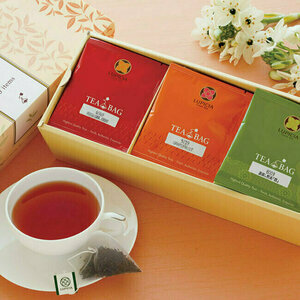 DISCOVERY ASSORTMENT
15 tea bags assortment
15,80 €
DISCOVERY ASSORTMENT
DISCOVERY ASSORTMENT
15 tea bags assortment
15,80 €
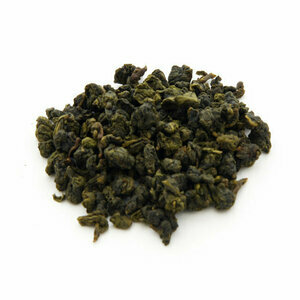 AMANATSU OOLONG
Oolong tea
from 6,80 €
AMANATSU OOLONG
AMANATSU OOLONG
Oolong tea
from 6,80 €
and refreshing blend.
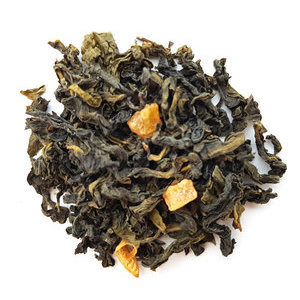 MANGO OOLONG SUPERIOR GRADE
Oolong tea
from 11,80 €
MANGO OOLONG SUPERIOR GRADE
MANGO OOLONG SUPERIOR GRADE
Oolong tea
from 11,80 €
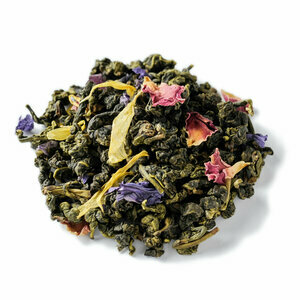 CHERRY PLUM
Oolong tea
from 8,40 €
CHERRY PLUM
CHERRY PLUM
Oolong tea
from 8,40 €
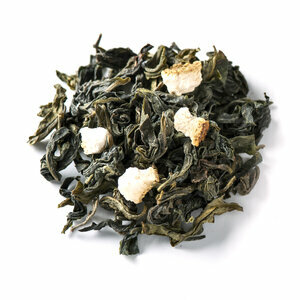 EMERALD EARL GREY
Oolong tea
from 11,90 €
EMERALD EARL GREY
EMERALD EARL GREY
Oolong tea
from 11,90 €

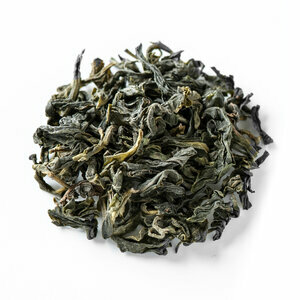
and refreshing blend.
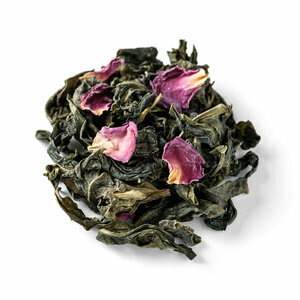 WHITE PEACH OOLONG SUPER GRADE
Oolong tea
from 13,60 €
WHITE PEACH OOLONG SUPER GRADE
WHITE PEACH OOLONG SUPER GRADE
Oolong tea
from 13,60 €
a fruity fragrance.
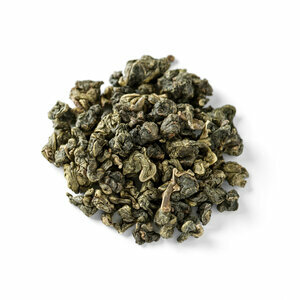 FORMOSA
Oolong tea
from 6,50 €
FORMOSA
FORMOSA
Oolong tea
from 6,50 €
Immerse yourself in the fascinating world of Oolong tea, also known as Wulong (literally "Black Dragon") or blue-green tea. This family of teas, with its clear and limpid liquor, offers unparalleled aromatic complexity, striking the perfect balance between the freshness of green tea and the depth of black tea.
What is Oolong tea or blue-green tea?
Oolong tea is a semi-oxidized tea. Unlike green tea (unoxidized) and black tea (fully oxidized), Oolong leaves undergo partial oxidation ranging from 10% to 70%. It all begins with the stirring of freshly harvested leaves in bamboo baskets. This step, which can last several hours, determines the oxidation level and the final aromatic profile. There are generally two main categories:
- Lightly oxidized Oolongs: Similar to green tea, they reveal floral notes (lily of the valley, jasmine) and a smooth texture.
- Highly oxidized or roasted Oolongs: These offer more complex aromas of honey, ripe fruit, hazelnut, or precious wood.
- The secret of oxidation: Depending on the producer's expertise, oxidation varies from 10% to 70%.
- The aromatic profile: Lightly oxidized Oolongs reveal floral notes of lily of the valley or jasmine, while the most oxidized or roasted ones release aromas of honey, ripe fruit, or hazelnut.
Taiwan: The Prestigious Terroir of "Formosa Teas"
Nicknamed "Ilha Formosa" (the beautiful island) by Portuguese explorers, Taiwan boasts ideal conditions: a tropical climate and mountains reaching over 3,000 meters. Lupicia selects its teas from the most renowned districts:
- Nantou & Mount Dong Ding: The traditional cradle of pearl-rolled teas.
- Taipei (Wen Shan): Origin of the famous Baozhong, a twisted tea with white floral aromas.
- Hsinchu: Home of Oriental Beauty (Bai Hao), with its unique honeyed notes.
- High Mountains (Gao Shan Cha): The Li Shan and Da Yu Lin mountains are home to some of the world's highest tea gardens (up to 2,600 m), producing teas of exceptional finesse and smoothness.
Why choose LUPICIA Oolong tea?
Choosing LUPICIA means accessing Japanese expertise applied to the world's finest terroirs.
- Rigorous selection: Our experts travel to gardens in Taiwan and China to discover exclusive batches, guaranteeing impeccable freshness and leaf quality.
- The Art of Blending: We are world-renowned for our original blends. Our best-seller, White Peach Oolong, combines the elegance of a high-quality Oolong with the juicy sweetness of Japanese peach.
- A bridge between cultures: As a tea house of Japanese origin, LUPICIA pays meticulous attention to packaging and storage, thus respecting the integrity of each leaf, from the garden to your cup.
The Benefits of Oolong Tea: Health and Digestion
A true partner for well-being, blue-green tea is rich in polyphenols.
- Digestive ally: In Taiwan, it is traditionally enjoyed with meals to aid digestion.
- Metabolic action: It is renowned for its draining properties and its ability to help the body eliminate fat.
- Smoothness: Generally low in caffeine, it provides a feeling of relaxation without the stimulating effect of a strong black tea.
How to enjoy your Lupicia tea?
Whether you prefer our plain Oolong teas (Alishan, Dong Ding) or our iconic flavored blends like White Peach Oolong, quality remains our priority.
- Hot: Ideal for a moment of meditation or to accompany a dessert.
- Iced: Oolong is wonderfully suited to cold brewing. Leave 8g of tea in 1L of water in the refrigerator overnight for a refreshing and naturally sweet beverage.
The Art of Infusion: The Gaiwan and Gong Fu Cha
To enhance a fine Taiwanese tea, the traditional Gong Fu Cha method is ideal. It uses a gaiwan (or zhong), a covered bowl of Chinese origin.
Why use a gaiwan?
- Absolute control: Unlike a classic teapot, the gaiwan allows you to see the leaves unfurl and precisely control the temperature (around 95°C for an Oolong).
- Multiple infusions: A good Oolong can be infused 4 to 6 times. Each infusion reveals new aromatic facets.
- The pouring technique: A quick pour will bring out the floral notes (ideal for Baozhong), while a slow pour will develop the body and lingering finish of more roasted teas.